Biciclette

Jami has started her very own craft blog. So far it is full of cute clothes and cute Tien dolls. Enjoy!
Jami has started her very own craft blog. So far it is full of cute clothes and cute Tien dolls. Enjoy!

The world is a very big place, and the only way to get there is to travel.
art is not a metaphor, art is an empirical reality
metaphorical art carries a structure with it not allowing others to have an immediate experience with materials.
ended up in high-schools w/professors victimized by McCarthy
Pollock & Giacometti; much prettier and nicer girls at art museums
get out. if you do alright you don’t have to get a degree (18 yrs old 1st show in San Fran)
language takes away the authority of the artists hand [la pata]
sculptor not conceptualist because he’s a materialist not an idealist
“Art that does not allow itself to be used by another culture is telling you…that ethics is aesthetics…that someone who doesn’t look like your mother is not human.”
site specificity is “kinky”
not just for you and our own set. Change the whole order
“If you’re lucky you won’t fuck up somebody’s day on their way to work. You’ll fuck up their whole life.”
“Does every stone have a place in the sun & do you believe where they tell you it belongs?”
“I can’t stand artists who don’t screw up sometimes, it means they’ve got a system.”
phony’s inherently evil
“I see art as useful as shoes.”
“Oh, but Lawrence, art is for rich people, and women.”
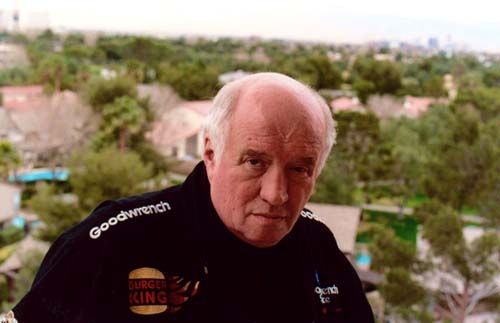
Dallas Museum of Art
16 November 1998
not what causes art, but the consequences
Edward Ruscha “Well, I may be misinterpreting it myself.”
Art & writing—creates the occasion for argument about what [the artwork] might have meant
each era gets the art world it deserves
brings us together so we can sort ourselves out
a-historical culture—no change in A[rt]
revolutionary culture—change in A[rt]
change from an iconic to a representative art
from presence to likeness→stands for absence
embodied meaning—relationship of one sign to things like it
designative meaning—word refers to something unlike it
icon—presence, incarnation
image—likeness
real art world (ours) begins in the 16th century
Salvatore & Guido—Raphael and Michelangelo
Sal: I like the Raphael better
Guido: How can you like it better? Michelangelo is from an old family. Raphael is a street kid.
Discourse begins, has nothing to do with what paintings mean, has to do with economic conditions
Idiosyncratic Styles
↓
commercial competitiveness
distinct styles embody identical info
Sal likes that object best. Meaning is unimportant.
[the artwork is] invested w/ secular grace by the beholder
developed constituencies of people who talked about vaina
before the discourse was before [in front of] the work of art
“Did you see Fra. Angelico’s angels? Totally bitchin’, there’s some stuff there I can steal.”
years later:
“Couldn’t we replace this?”
1 individual person saying “we’ll keep it, we’ll preserve it.”
do we like it? is it worth saving?
that is how works are preserved.
Botticelli stuck in the basement
pre-Raphaelites bring it out
has to do with how works of art are invested with value from without
[works of art] have no intrinsic value
meanings come from without
If we like how something looks, but not what it means,
so we change what it means
oil glaze—to represent the incarnate word
later: look at the realism, [the] divine humanism of [the] Renaissance
look at the push-pull
crack it up with another meaning
paintings have no meaning
What are we arguing about?
we’re arguing about what we belive in, what we desire
communities of desire
object serve as locus of external endowments of value and meaning
Libby [Lumpkin] “we artist historians study how objects look, physicists study objects.
we ascribe meaning”
Warhol:
the interesting thing about the present moment is not that art is becoming more commercial, but that the commercial is becoming more artistic. the president drinks Coke, I drink Coke, if the Queen of England wants a Coke, it has to be a Coke, ‘cause nothing else will do.
democracy of objects
a world of originals infinitely dispersed
hard for Europeans; deeply hierarchical
meaning displaced—irony—vertical repression
we [Americans] can’t do irony,
we do cool
↓
[effortlessly] asserting yourself among peers
being who you are and not making a big deal of it
George Washington—talk about what he did
cool is an idea of incarnation
Monica Vitti—premodern creator
embodying something but not insisting upon it
all these diverse Americans:
people talk about their Ford
discourse of icons that hold the country together & help us sort ourselves out
discourse of value
world he grew up into [there were] Stones people & Beatles people, George Clinton people & Motown people
non-exclusive communities
It didn’t matter what Mick meant or what Lennon meant, it was the discourse that mattered
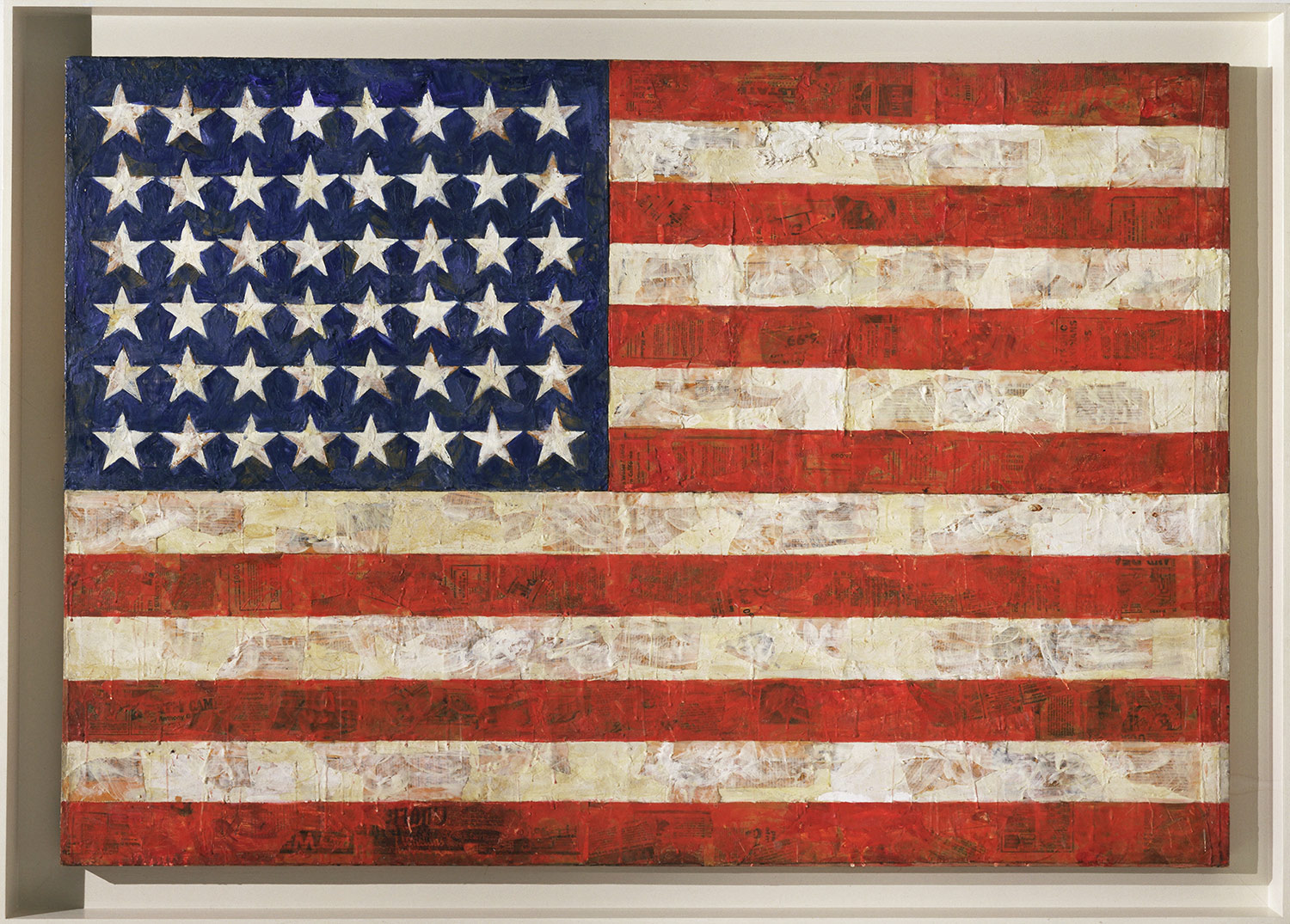 Jasper Johns—first to understand that meaning and value come from with out:
flag—what matters is who salutes it
when the talk stops the object stops being art & becomes an artifact, unless it’s rescued
what’s the difference between The Simpsons and Frank Sellar(?)?
the audience
Whole genres can move from high to low or low to high
“high” art causes writing instead of talk
demonizes writing:
institutional and bureaucratic discourse
metaphysics of presence
painting and sculpture function like a high popular art, like jazz
[there is] art that causes writing and art that causes talk.
writing is there to control the talk.
writing wins because the talk goes away.
you don’t look at Las Meninas and say “wow, I think I’ll go home and write something about it.”
writing→creation→talk→writing→creation
Peter Saul—“It’s hard to keep them ugly. My goal is to come back 50 years after I’m dead and find two people standing in front of my paintings screaming at each other.”
things that survive:
raw information
less privative/reductive survives
reductive force=Donald Judd
[the] first time you like a work of art you Love what it doesn’t do.
This is great; this young woman is not doing anything I hate.
but the stuff that lasts has other qualities.
that which survives is that which allows itself to reallegorization
reductive art doesn’t have the staying power
at first you like it ‘cause it’s fresh (Marylin)
discourse is about “conflict of interest.”
there is no disinterested position from which to see the world.
90% poll watchers and 10% voters
If everyone in the art world works for it disinterestedly, what’s to be bought & sold or done?
Duchamp—artist as liberal artist
greek
arts of the mind versus arts of the hand
Johns [&] Warhol:
carefully aimed at subverting the discourse
If three people unrelated to the artist don’t call it art, I don’t think it is
what—
with the current art world we deal with things with the attention span of AM radio
over heard talking to Vernon Fisher before [the talk]:
“…and what it’s done is it’s created a whole generation of students who think that painting is pinko.”
Blanton 20th Century Series
1 November 2001
Beaux-Arts tradition
↓
“single source” tradition
↓
way of looking at art that disregards the intentions of the artist
↓
artworks: occasions for creating new communities
↓
competing ataliers (subcontractors) unique styles
↓
repeats Guido and Salvatore story
↓
embodiment of values
not talking about content, but composition & XXXX ‘
↓
“this is art”—look at this in the context of all the other art objects you’ve seen
↓
we don’t study objects,
physicists study objects.
we study the way objects look.
[Libby Lumpkin again]
↓
representation of constituency
embodiment of values
↓
Works do not have “content”
they are not containers.
they have a subject in a grammatical sense.
↓
subject vs. attribute
which is which
↓
roots & occasions of abstract art in [the] U.S.
↓
(Philip Fisher, Still the New World)
↓
Europe=specificity
↓
USA=blandness, assimilation, generalization
↓
20s identity politics
↓
Germanic retribalization
tribal feudalism
(tribal cultural identity)
↓
early 20th century
“people could have their own culture & stay the hell out of ours”
↓
reaction [coupled with assimilation]
↓
(generalization & abstraction)
hearths about which the country could gather
(Rothko)
↓
election (constituency)
(we elect abstract presidents, why not abstract art?)
“We will root out the evil ones who hide.”
What the hell? Is this George Bush and the Goblet of Fire?
↓
American artists as redeemed commercial illustrators
synthetic nature of painting
(a Rothko is always a hearth or a landscape)
(de Kooning, pictorial) (Pollock, dance of the artist)
objective correlatives in a public discourse of value
(all about the people in front of the painting, not the ones behind them)
writing & language in nonlinguistic aspects: process, image
a painting with a painting over it with another painting painting it out
occassions for discourse
could you imagine a misinterpretation for these paintings?
David Reed
freedom dramatized and designed.
art presented as expression of community
usually exclusive
(has anyone ever used “community” as a permissive term?)
Abstraction—
statistical generalization of a complex culture
redemptive
what wins never wins for long
the only works that live are those that are defined as beautiful or ugly.
we don’t notice/see what’s in between: the normative
“If we’re not self interested we’re dead, or soon will be.”
“nothing is profoundly what we want it to be”
give absence presence
the idea of the artist is a fiction we create to talk about the works.
Biography is embodiment of critical attitude
“Ed, how can you stand that everybody misinterprets your art?”
“Hey, I may be misinterpreting it myself.”
“the marketplace”
a place where people like art more than money
Mediterranean [culture] vs. Germanic [culture]
Over the last few months poverty, mobility, and the lack of connectivity have conspired to bring about two separate lines of work. I finally had the time to sit down and work on a story I began back in 2004, which I finally finished. In the process, however, it spawned another two or three stories, so at the moment I am about 20,000 words into what will eventually be a 40,000-50,000 word (novel length) collection of related stories, all set in the same time line, but separated by centuries or millennia. I've also had the time to learn how to use Sketchup (sort of, I still go about things stupidly). Once I decided I was going to learn it no matter what, I started drawing up a strawbale house I'd been thinking of for a few years. The way I went about it is embarrassingly clumsy, but worth it to see where I started.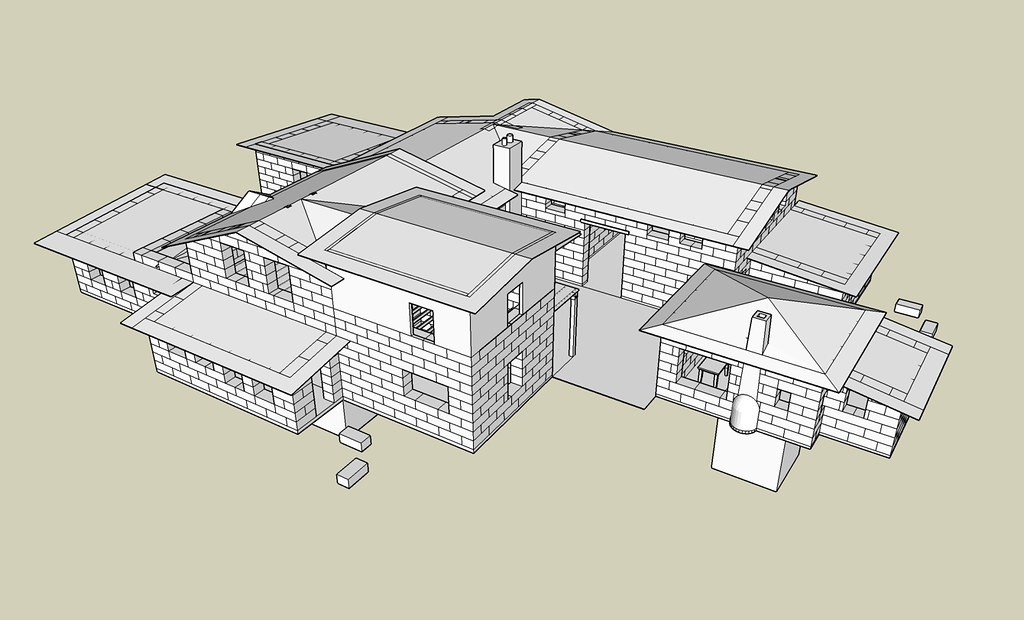

After that I played around with strawbale houses for a couple of months, while working simultaneously on the stories. That led to a couple of drawings, illustrations really, of my second story (it's about anarcho-syndicalist farmers on the moon). Below is my main character's house, with greenhouses and aquaculture units behind it, followed by an overview of the green house complex he runs.

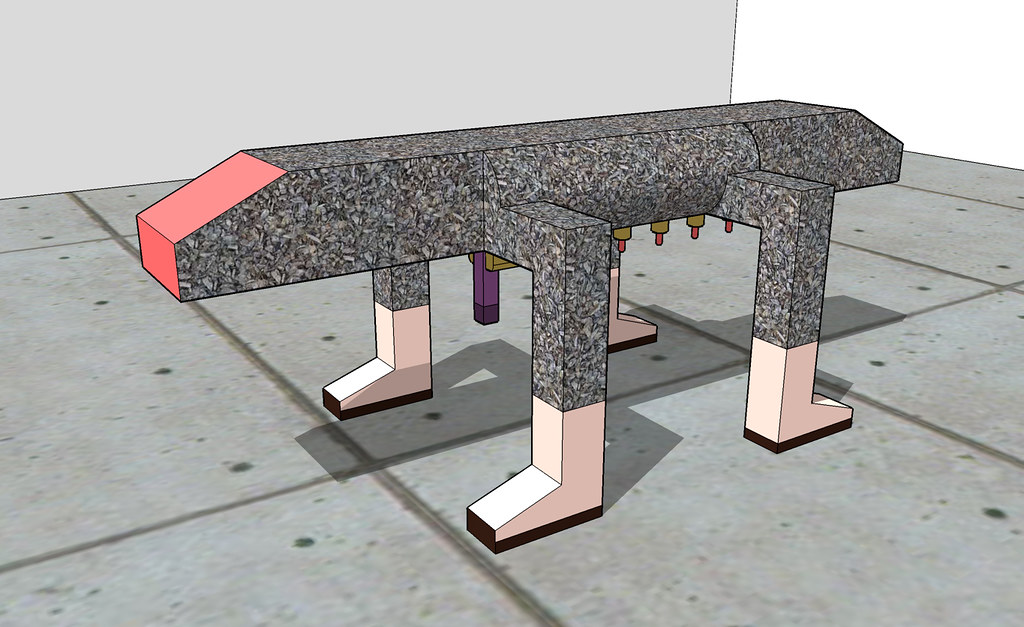
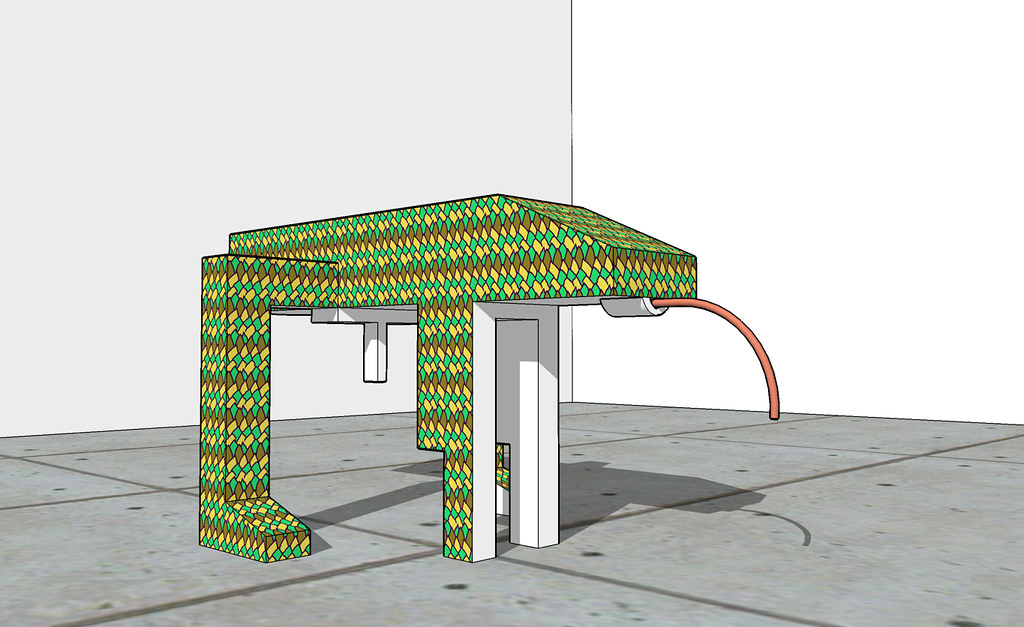
I still haven't gotten it out of my system, but recently, with grad school applications on my mind, I've been drawing up old sculptures I never got around to making, and new ones I'd like to make (if I had $500 worth of plywood and a table saw).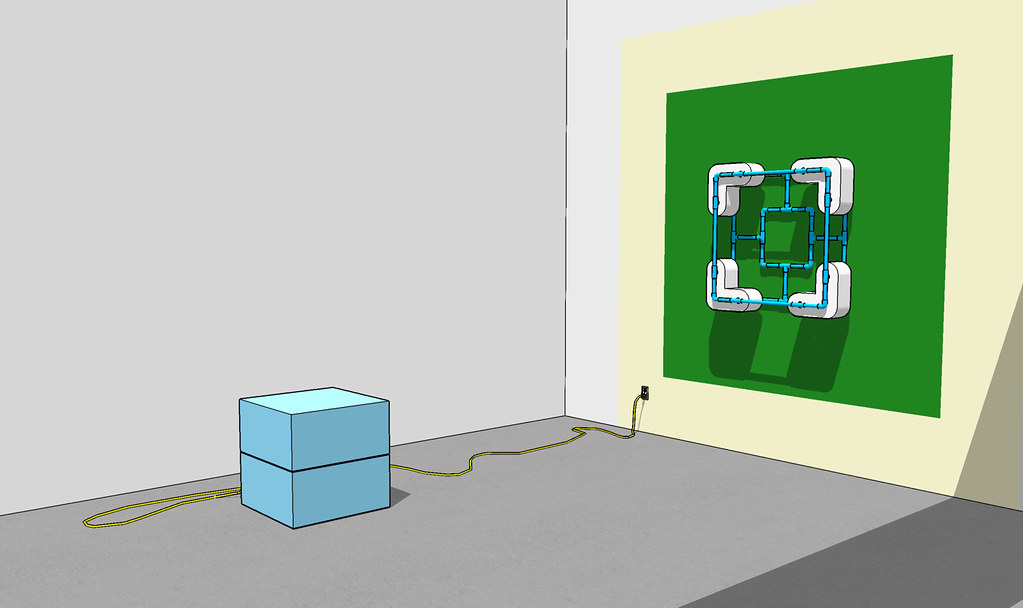
The bisected blue box was started a long time ago, and never finished, we just didn't have enough room in Austin. The thing on the wall made of PVC is a krathong I'd like to make for this year's Loy Krathong. It would be filled with marginal aquatics, and actually clean the water instead of making it dirtier. Below is a x-ray view of the inner workings of the box, followed by several goofy monsters I'd love to make.

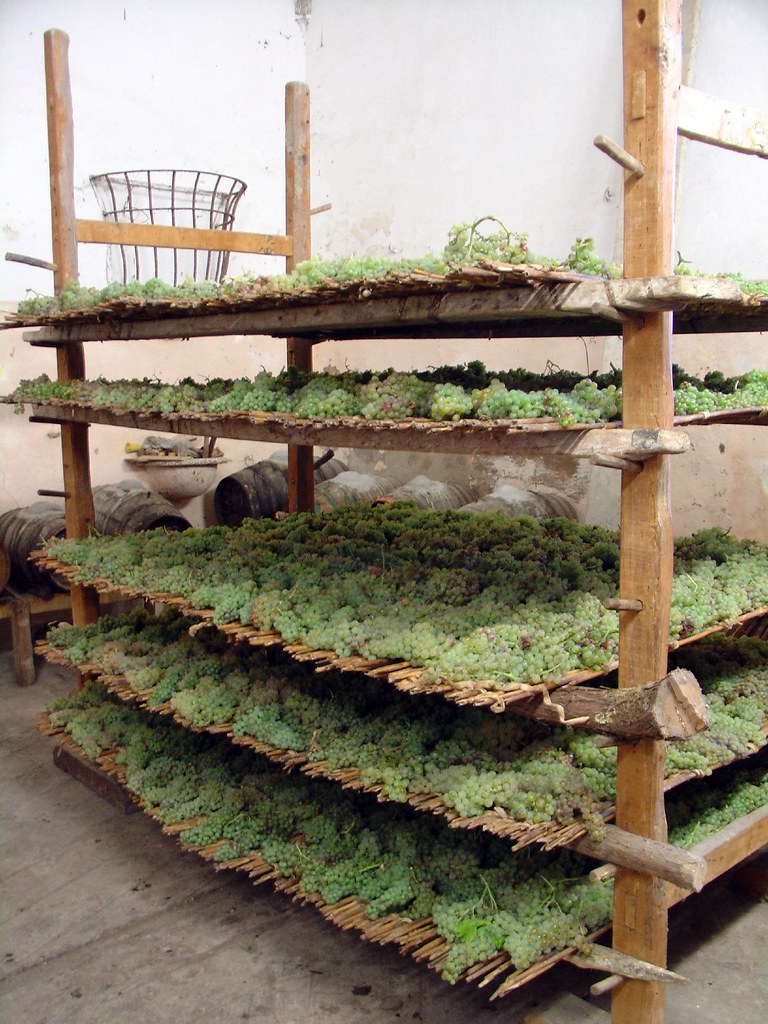
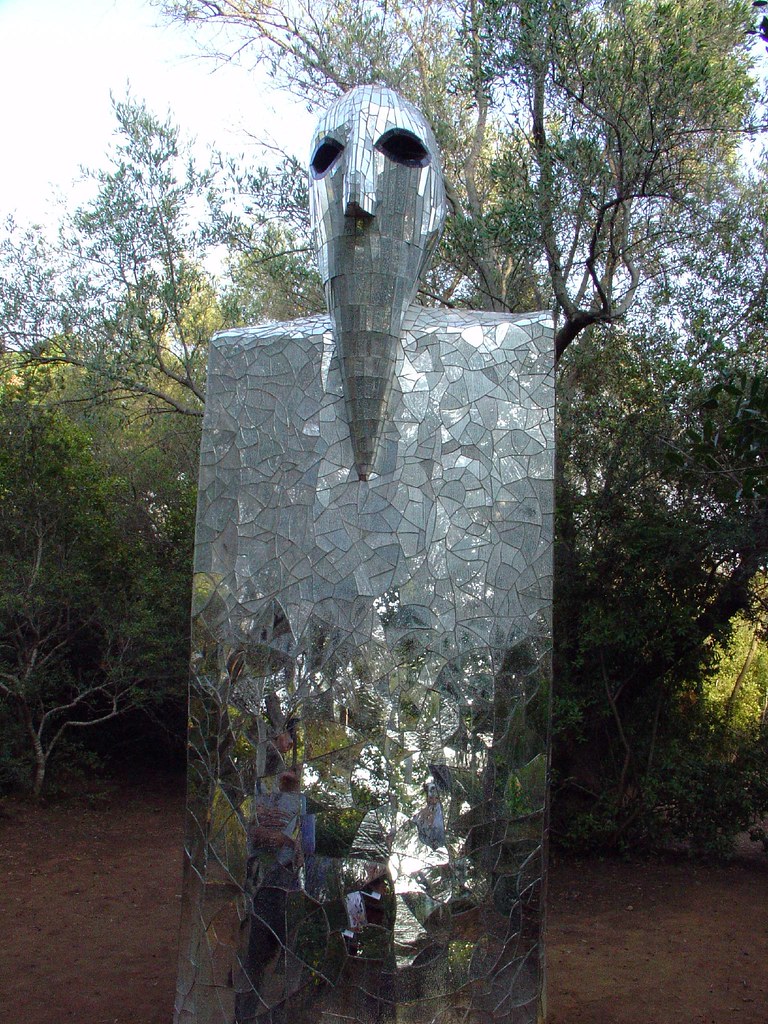
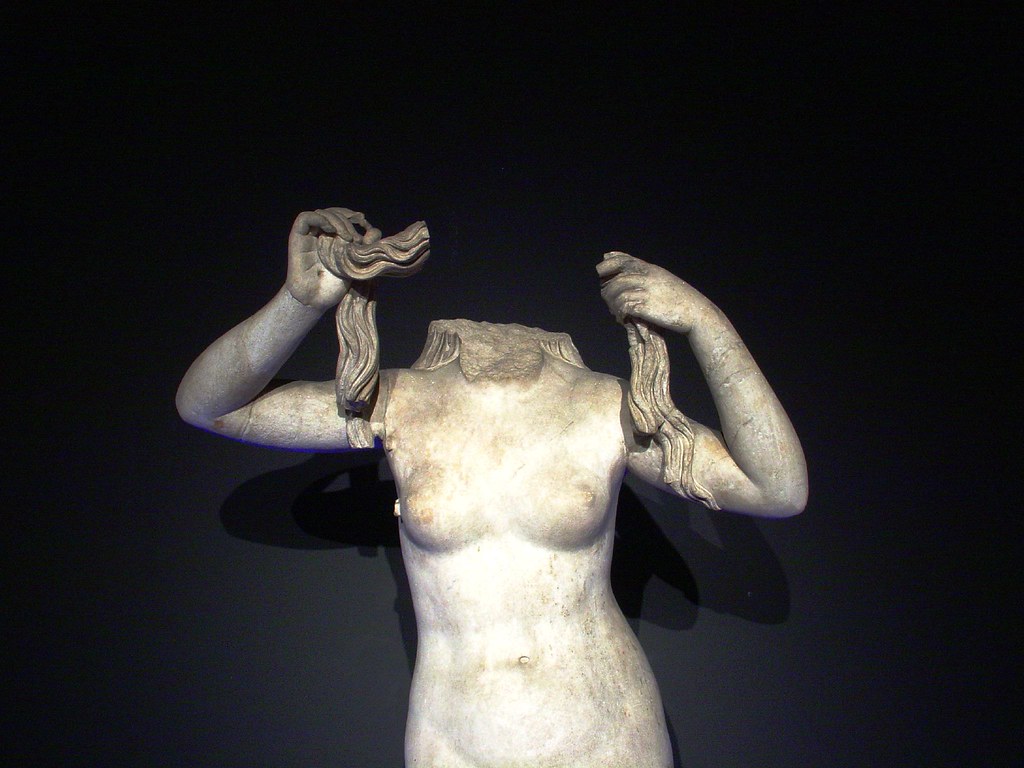
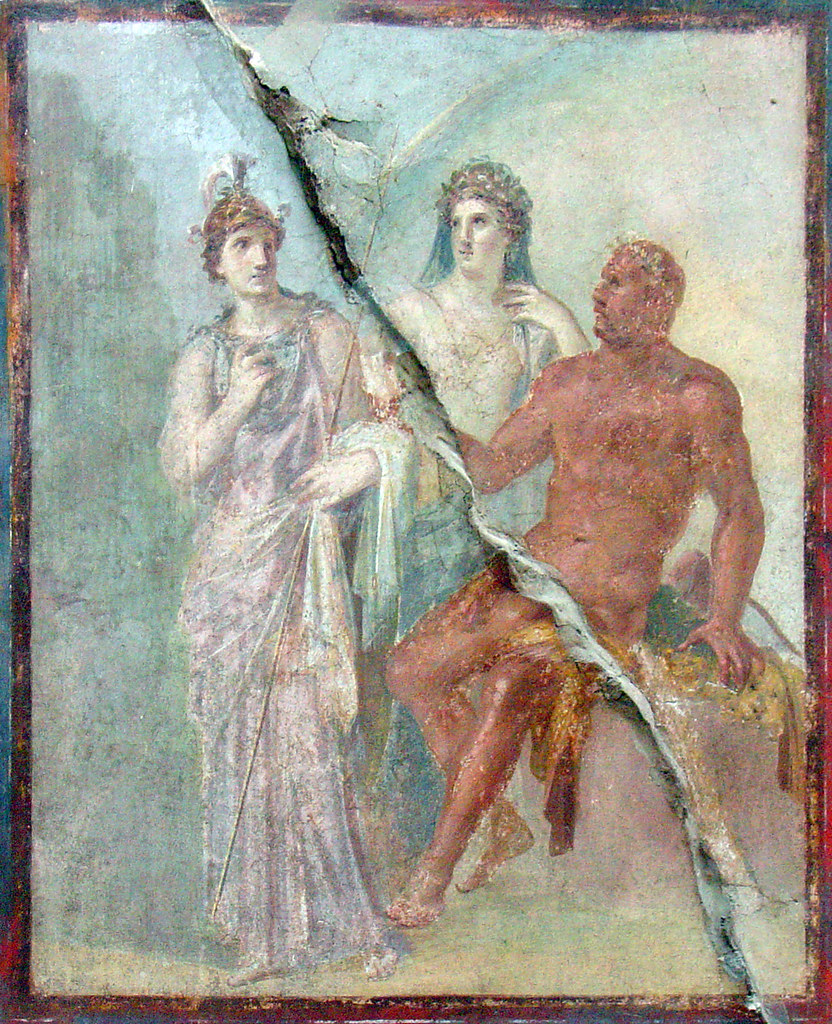
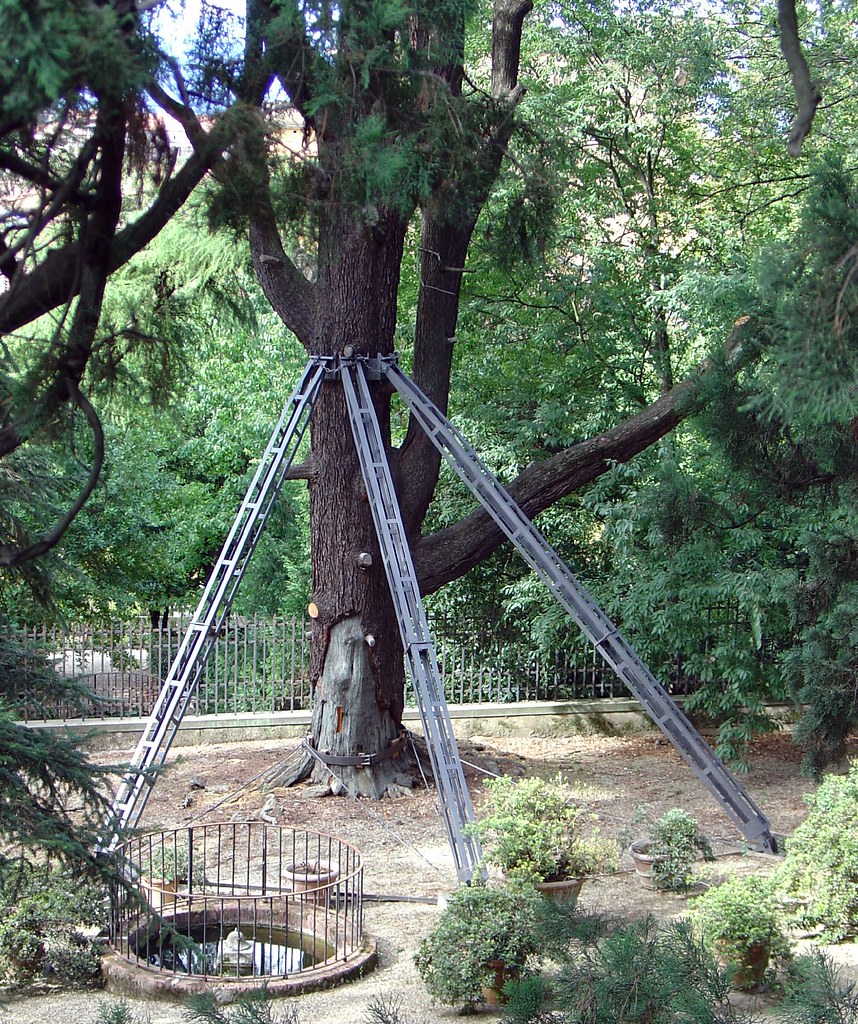
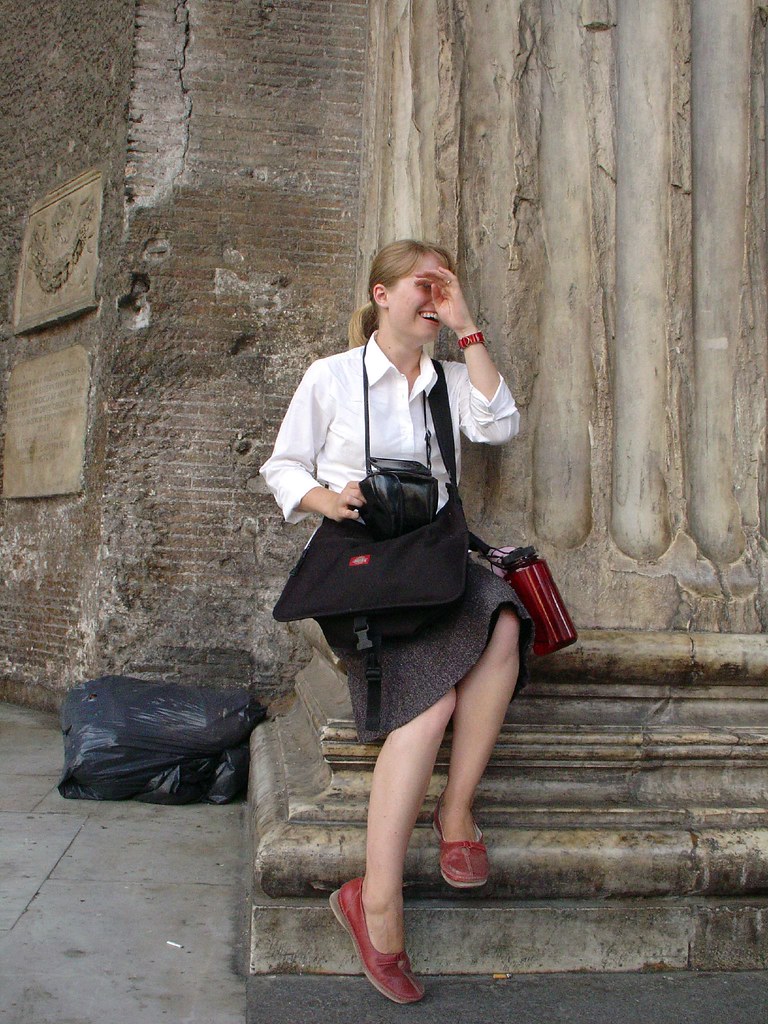
Since we've been coming in earlier for work this month I've had time to upload some stuff to Flickr. I've been going through photos from our pre-flickr life and putting them up, so you'll notice that the Italy 2004 set has been growing a little every day. Here's a smattering of random ones just for fun.




We made these in class today with the 3 &4 year olds. I think they turned out cute!
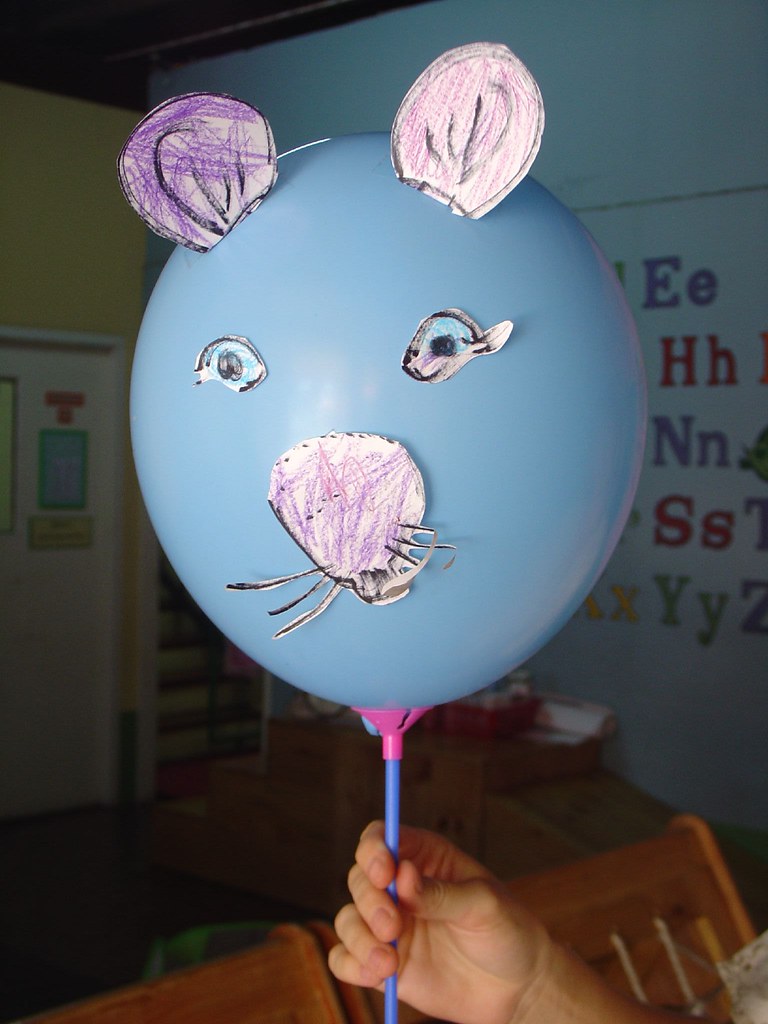 mouse
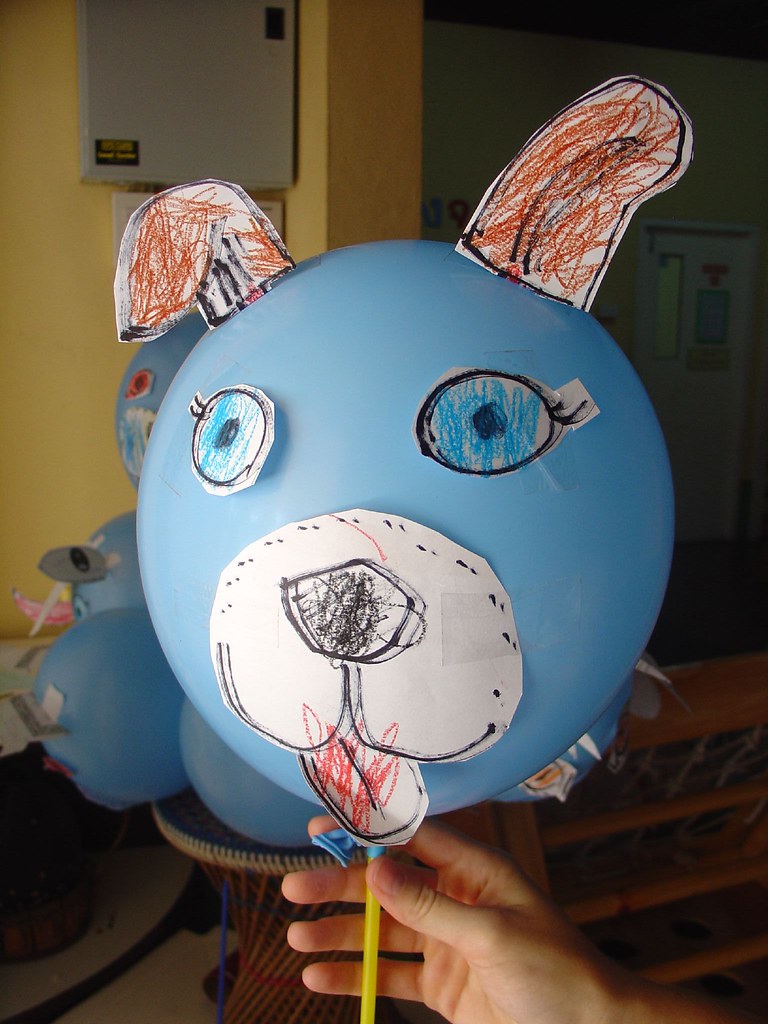 dog
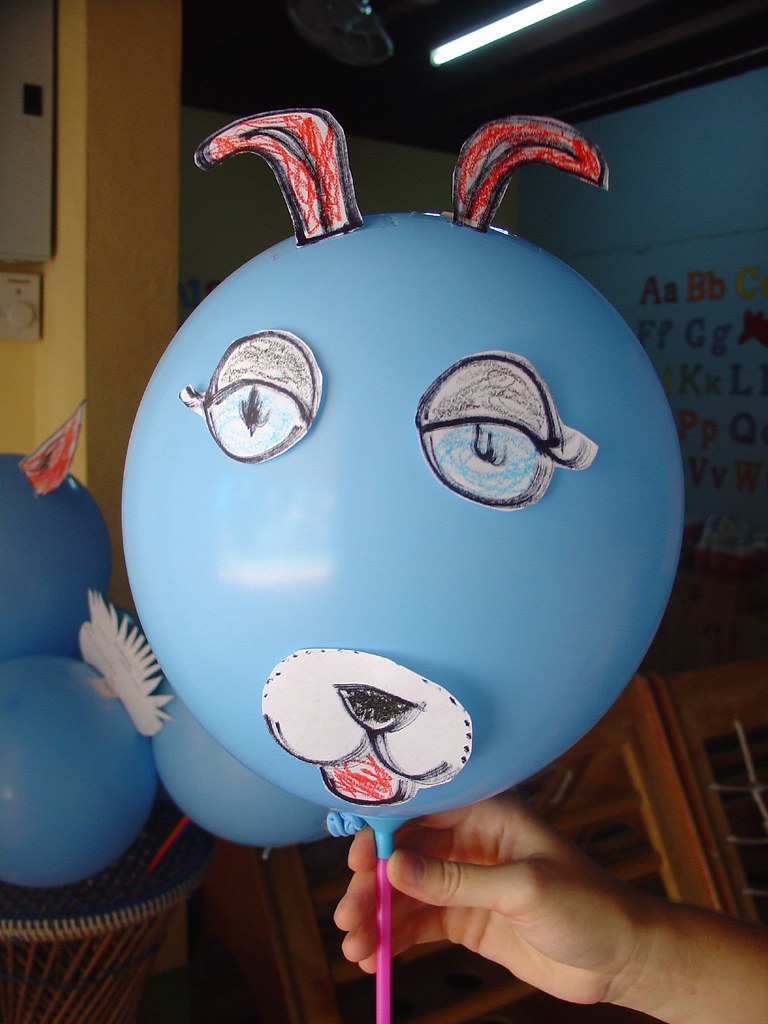 rabbit
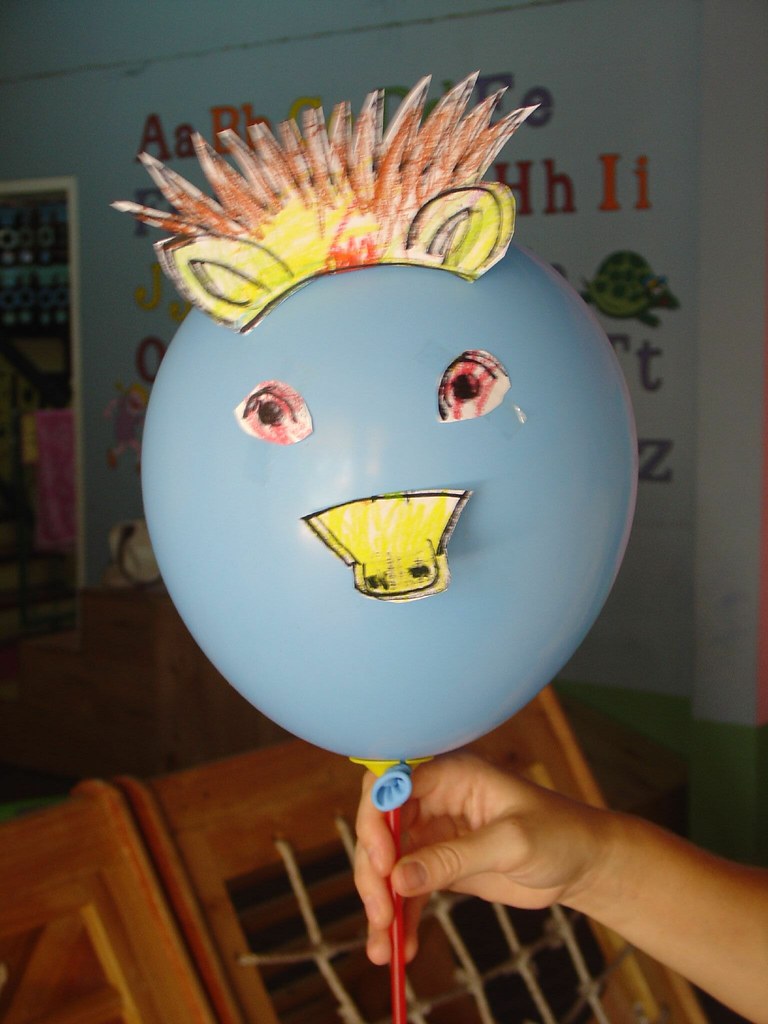 hedgehog
 boxer
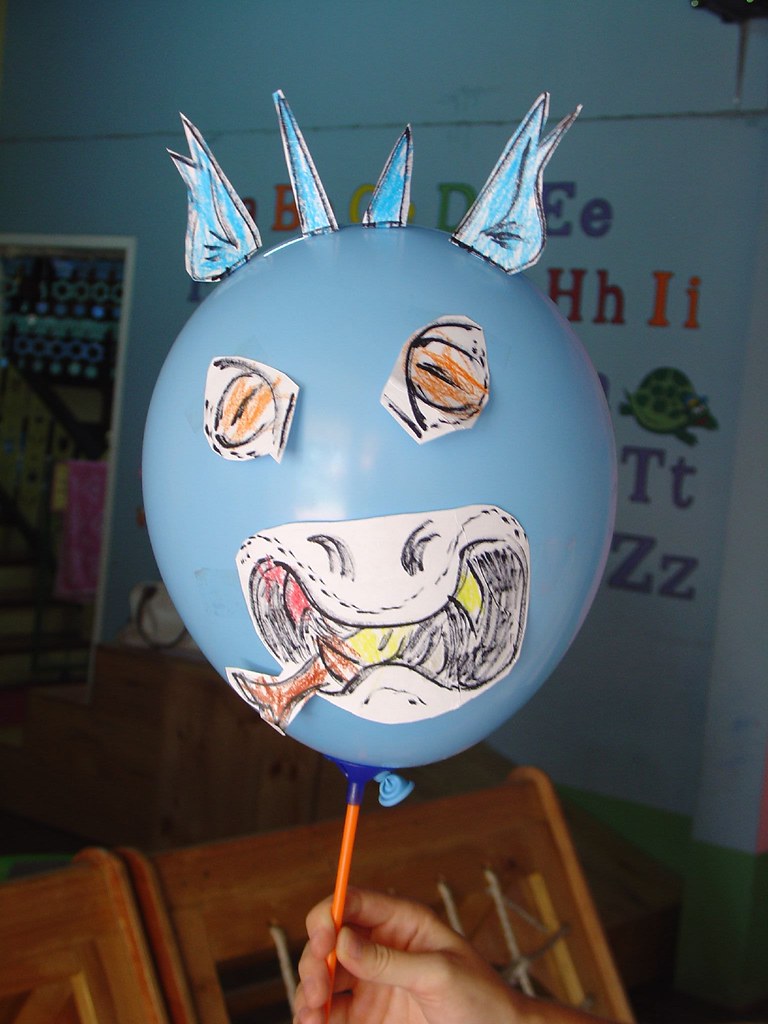 dragon
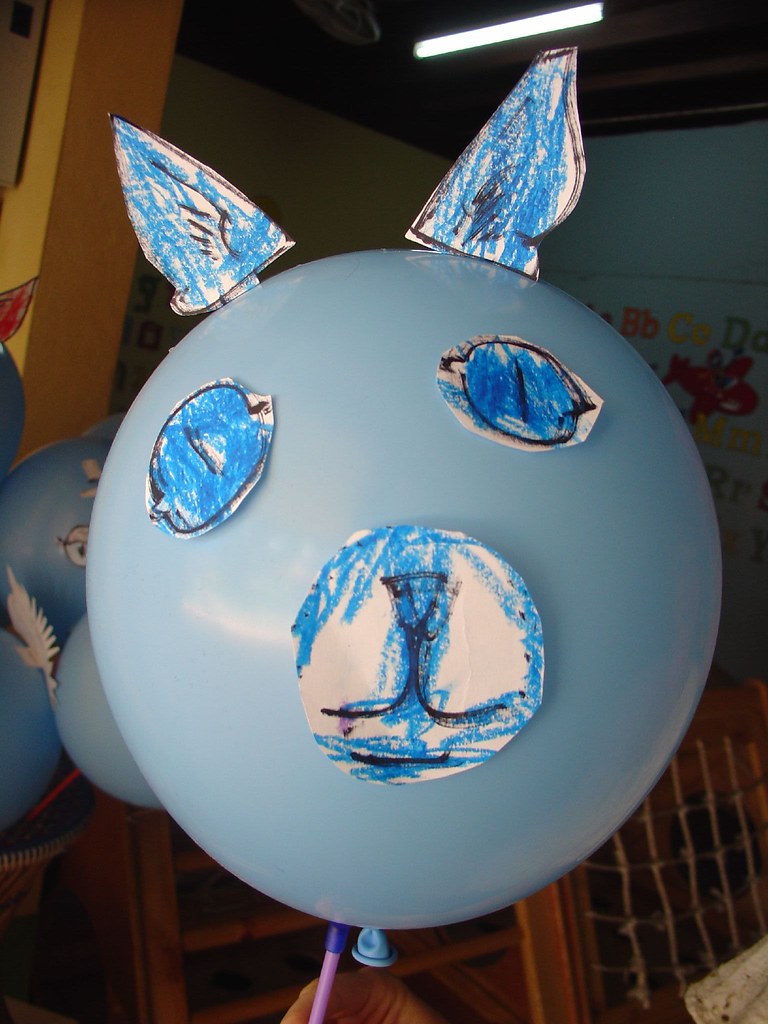 cat
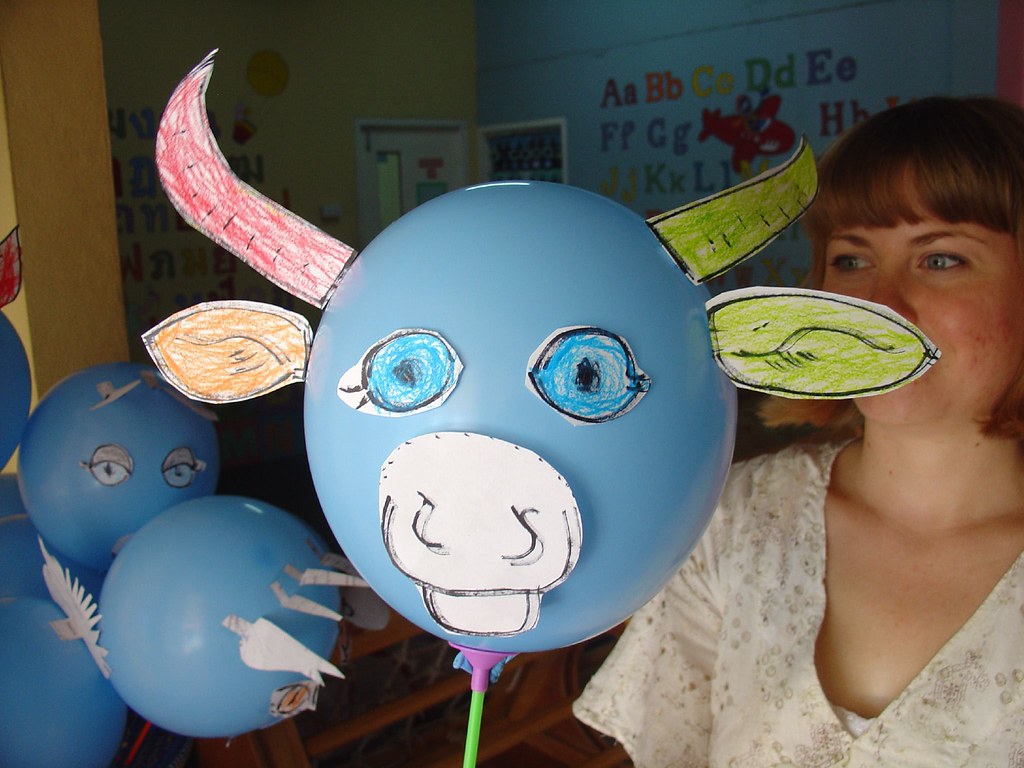 water buffalo
 bird
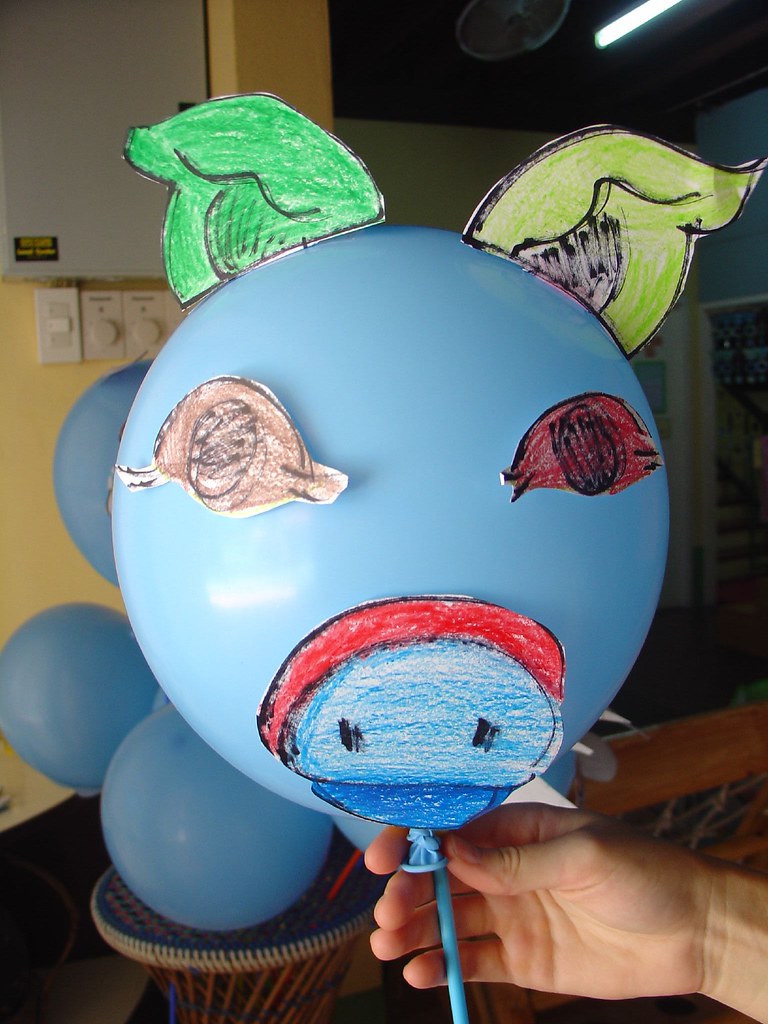 pig

The notion that telecom companies can stay in business by refusing new customers is beginning to throw us into ever an ever deeper state of confusion and despair--confusion that said companies remain solvent, and despair because, well, it really sucks. I've been so desperate for news of the outside world that I spend an hour after work each day downloading podcasts on their ridiculously slow adsl connection, enough to fill the two flash memory drives I have, which ends up being about five hours of news. I am now aware of remarkable things like the collapse of the precariously overextended US housing market, and the introduction of chubby frog ipod nanos. That said, our local Apple nanostore (it's a glorified kiosk in the mall--doesn't even have doors) should have the new ipod touch by now, which we'll go look at once we leave our friend AZ's house.
So what's been happening here? Updates on this blog have been few and far between since April when we moved into our new house and the cable company began telling us they aren't taking new customers. Our move happened right in the middle of the week of Song-Kran, an enormous, country-wide water-fight that occurs at the tail end, and hottest part, of the dry season. It seemed we were always biking from the old house to the new house and back during the height of the celebration. Jami ended up more that soggy, since she'd a blondie, and a girl, and therefore quite an attractive target for 20ish Thai boys. Shortly after moving in we began to pis off our landlady by removing the nasty, filthy, polyester curtains and replacing them with light, clean, and airy, cotton ones; painting one of the bedrooms white (J's sewing room, it was so dark before that during the day you literally could not see certain corners of the room due to the combination of darkness and glare); owning a cat; and not shutting every single shutter every single time we walked down the street for ten minutes. The shutter bit lead to our first crisis, in which she threatened to kick us out if we weren't good, and accused us of tearing the house down (we were told that Thai houses were built to last, unlike American houses, which, presumably, disintegrate into a puff of saw dust and gypsum after six months of occupation, perhaps explaining our collapsed housing market). We've been good ever since.
Following our settling in period we left for a month to vacation with my folks on the East Coast, to bask in the beautiful blackness of J's father's new Rausch Mustang, and to assist with the ongoing, post-Rita, empty-nester remodel of the Vaughn home (they picked a swell local designer who has Brenda's tastes pegged quite nicely). Vacation included a a stay with auntunclecousins in Troy, NY, and trips into NYC from my Grandpa's Nyack apt. From there we headed to Maine for a few days in Acadia National Park, and then drove all the way to Orlando to visit my sister and her (and her husband's, yes we like you lots, Matt) new baby Magnus. We stopped in Lowell, MA and Jamestown, VA along the way, but basically it was the whole of the east coast in about 48 hours. On the way back to Dallas I got to set foot in Louisiana for the first time. It was at a Popeye's Chicken, and the parking lot smelled like garbage. Being a Texan, having never been to Louisiana is about as embarrassing as having never been to Mexico (though the embarrassment of having never been to Mexico is exacerbated by the fact that I speak Spanish--imagine how ashamed I'd be if I spoke Cajun? Perhaps we'll remedy the Mexico situation by simply moving there after Thailand manages to spit us out once and for all). Our time in Silsbee was spent keeping an eye on contractors, playing with the new (and ephemeral, she won't last much longer thanks to the red mange) boxer named Sophie. She's a pretty dog. I'd love to post photos, but I don't have any here with me.
Once back in Thailand we anxiously awaited the arrival of our friends Lucas and Merridy. They spent about ten days with us exploring Chiang Mai, and contributing to our second crisis with the landlady. I introduced her to Luke the day he arrived, and tried, in my worse-than-broken less-than-pidgin Thai, to explain how long he would be staying. The day after M arrived (several days after Luke) the landlady dragged me over to her house to explain to her nephew (while she shouted over his translations) who was staying and how long. She was of the opinion that there were more, way more, than two house guests, and that they had been there longer, way longer, than I had said (in her mind she had post-dated Luke's arrival by three or four days, even though they met within two hours of his disembarking from the plane). She claimed that the house wasn't strong enough for more than two people (its method of construction diverges in no significant way from the neighboring houses, one of which contains eight people). I stated the facts to the nephew and left, since we were leaving on a trek with uncle AZ in a less than an hour, and she was obviously lying, and nuts. The nephew is a good kid, she just never listens to him. The trek was great fun. We spent the night in a Karen village (the whole village was nominally Christian, so no long necks, but great buffaloes), played in two waterfalls, rafted on bamboo rafts, and rode elephants. Shortly after L&M left we rented a motorbike to do some home teaching, leading to phase 2 of landlady crisis #2. We'd rented the bike for 24 hours, which means it spent the night at the house, causing us to wake up to a note, posted to our front door, accusing us of still having house guests, and threatening to raise our rent by 40%. I went to bring her over to the house to demonstrate the lack of house guests (Puen yu thi nai khrap? Mai yu!), but she refused to come, so we just yelled at each other in tongues. I brought the motorbike over so that she could see that it pertained to no one but us, and wrote her a careful note, which her daughter read, and which seemed to calm her down. Temporarily.
Following shortly on the heals of crisis number two came crisis number three. Crisis number three has been escalating for some time, beginning with a large rat trap baited with fish placed prominently on our compound's spirit house. Actually, the great cat crisis may have begun with the catnapping of Pete, Tien's stray tabby buddy. The house behind us has been empty for some time, though the landlady is continually sweeping it out and showing it to potential renters. During one of those cleanings Pete ran into our house and hid under the bed, while she ran right up the stairs behind him. Anxious not to be accused of having two cats (she'd already expressed some concern over sweet T) I pulled him out from under the bed, only to see him unceremoniously stuffed into a bag of garbage. Assuming this was the end of old Pete, whose only offense would be his overabundance of good nature, I followed the landlady to her house to plead his case. Her nephew assured me he was going to a good home, Pi Lar's sister (that is the landlady's name by the way) needed a cat at her house to catch mice since hers had died recently. Shortly after this came the enormous rat trap baited with fish. Tien (and in all likelihood the neighborhood strays) had been stealing sticky rice from the spirit house. We tried to make amends by buying five sets of offering bowls, but the landlady refused to accept them, and took them to a shop owned by one of her renters to sell. This right before my very eyes. I have been assured by numerous Thai sources that this is unforgivably rude behavior here in Thailand. All this was before our trip to the States, and I assumed all was settled in the cat department until one the other renters in our compound adopted an obnoxious, sick, and starving ginger colored kitty, and an equally obnoxious, and pregnant, torty. The Ginger Kitty, as we came to call it, was always stealing Tien's food, creeping into the house at night, and dribbling diarrhea all over the furniture. Meanwhile, the torty was camped out in the neighbor's house having kittens. Now let me clarify that neither of these cats were strays. They both had collars, with bells, and they were both extremely social. Great cats really, they just wouldn't get out of our house. One morning the landlady came over to complain about the section of side yard all these cats were using as a litter box. While she was going on about meao khii the kittens made their debut appearance on the neighbor's porch. Lug meao! I exclaimed, hoping to pass the buck. She went to talk to the neighbors while I scooped poop. The neighbors, anxious as any good Thai to avoid conflict, blamed the vomiting mother torty on us (yes, she actually
threw up on the drive while they were discussing her): "We can't get rid of the things! It's those foreign devils that bring them 'round!" As the landlady left I offered to clean up any khii that our cat might be responsible for. As usual she dismissed my efforts to be helpful. The next day she showed up bright and early at our house again, and in front of our very eyes scaled to the heights of rudeness and absurdity. This is when we found out that the neighbors were blaming their cats on us. She accused Tien of seducing these poor cats and leaving then knocked up on the doorsteps of innocent Thai nationals. I called AZ's wife Dao to act as our advocate. She did such a good job that she had the old woman crying in less than five minutes. When I first put her on the landlady went off, complaining about us, until Dao said "Listen, listen, listen, listen. You always talk, you never listen. Now you have to listen. That cat is fixed, he can't be fathering kittens, or attracting female cats. I know, I went with them." Faced with Dao's startling use of facts (and a lie, though I'm sure she was with us in spirit the day Tien had his surgery) the landlady began crying and said that she didn't care for money, she just wanted us out of there. While all this was going on Jami was talking with the woman who'd been brought from one of the shops next door to act as a translator. We often have these translators arrive with the landlady, and she inevitably embarrasses them. She never listens to a word they say, and they always end up apologizing or trying to excuse her some how. Usually when the Thai are embarrassed they just smile, or laugh. Our translators always just looked scared and nervous. Here's why. While Pi Lar was on the phone with our beloved Pi Dao, she was using a very bad pronoun. Pronouns are weird in Thai. The male term for of "I" phom actually means hair (as in "the hair of my head is lower than the dust of your feet). The female terms for "I" are so unsatisfactory, that many women simply refer to themselves by name, in the third person. The pronoun for someone spoken of in the third person (male, female, or plural) is kao. The pronoun the landlady was using to refer to me to one of my best friends here was man. It is not a term you use for people. Literally it means "it." The other day I was trying to look up the word "hedgehog" in Thai, but the only word I could find was man. It means something along the line of "nonhuman creature." If I were Thai and actually had the basic human rights afforded to Thai citizens, I could have her arrested for profane speech and defamation of character. But I'm just a nonhuman creature, so oh well. I'll just go hang out with the hedgehog. After all this the translator managed to make clear that none of the other cats were ours, and since the neighbors were denying any responsibility I offered to take them away. This satisfied her, and she went away smiling. The mama and kittens had been carted of the other day for the price of 200 baht, so I caught the orange kitty and a stray tom that wasn't smart enough to run away, and took them to a Buddhist temple in the center of town. That night the we could hear the neighbor girl calling for her ginger kitty. We felt bad for her, but I figure it was karma. By lying and claiming that her cat was ours she created a condition in which our only hope of maintaining our residence (we are desperate not to have to move) was to take her cat away. I hope it's OK. On further karmic occurrences, that very morning the people in one of the shops in front of us, a building which our landlady owns, had an extra special Buddhist ceremony with about eight monks, which Pi Lar attended. Afterwards she took the head monk over to bless the house that she can't get to rent. Guess why it won't rent? Every time she is showing it to potential renters every tenth word out of her mouth is farang coupled with a dirty look shot in our direction. How can she expect to rent the place if every time she shows it off she advertises the fact that it come complete with the worst neighbors in the world? While I was transplanting cats, I stopped over at the elder's and asked then to translate the phrase, "Even though we are foreign, we are still human beings. We are not nonhuman creatures." It occupies a prominent place in our house, right below the picture of the king and queen.
In other news, we have a hedgehog. Her name is Eleanor. She is cute and thinks that toes are food. I've been spending all this time sans internet learning Sketchup and writing. I may have actually written a novel of sorts by the time we leave here. One of the stories in it is about anarcho-syndicalist farmers on the moon. Jami has been sewing like mad, and I have been making sculptures of goofy future plants out of paper mache. I'll upload some of my drawings soon, and maybe post one of the stories once I comb through it a couple more times.


I rarely write out my talks when asked to give them at church, but since I have a translator here I decided to take it easy on him and provide him with a text to work from. Even so, I still when through two translators. Here's the text:
Today I have been asked to talk about our “freedom to choose.” My text for this talk is from Lehi’s lecture to his son Jacob in 2 Nephi 2:27:
Wherefore, men are free according to the flesh; and all things are given them which are expedient unto man. And they are free to choose liberty and eternal life, through the great mediator of all men, or to chose captivity and death, according to the captivity and power of the devil; for he seeketh that all men might be miserable like unto himself.
2 Nephi 2 has long been my favorite chapter in the Book of Mormon. Coupling this chapter with a spectator’s passion for science, and a love of idle speculation, I used to imagine I had acquired a rather unorthodox view of agency. However, upon rereading the chapter I am now more convinced than ever that my crooked point of view is actually correct.
Philosophically 2 Nephi 2 is one of the most important chapters in the Book of Mormon. It posits a type of dualism, but one unique in a Christian context since the dualism proposed is divorced from the moral concerns of, say Manichaenism. The Manichaeans believed that life was an eternal struggle between good and evil, their heresy was in accepting the notion that evil might win. The dualism that Lehi proposes is oddly monistic since its primary requirement is the fact of opposition. Often times we think of opposition in strict moral terms, like the Manichaeans: the good opposing the bad, the just the injust. But this is not the case. Opposition is a generative principle and only involves morality insofar as creation itself is moral or immoral. Opposition is the very principle, according to Lehi at least, which generates life, for without it the world would “remain as dead, having no life, nor death.”
This principle of opposition is realized in a world populated by agents “both things to act, and things to be acted upon.” An agent, as I choose to define it, is a point in a nested hierarchy at which a decision is made (and here I am borrowing heavily from Kevin Kelly and his synthesis of every thing from biology, to robotics to cognitive studies). You and I are nested hierarchies, further nested within the larger hierarchies of ecology and culture. I realize that traditionally we like to make the doctrine of free agency a strictly human purview. For example, I am a free agent because I can chose whether or not to eat, while my cat is compelled to eat everything from lizards to snotty tissues. Were he a free agent, in our traditionally limited sense, surely he would not choose to gorge himself on snotty tissues. However, this is a mistaken view in my opinion. If we think of an agent in the terms laid out in the scripture, as a thing which both acts and is acted upon, then we see that my cat, as a hierarchy of agents, contains few, if any, inhibitory agents, other than satiety, which would act upon his desire to eat bleached wood pulp embedded with mucus. I on the other hand am endowed with a modicum of self-reflection, and whenever the urge to look for a midnight snack in the depths of the wastebasket might overtake me, inhibitory agents come to my rescue. As human beings we are blessed with the illusion of being in control. Granted, illusion is too strong a word, though strictly speaking, we are not in complete control of ourselves. Our digestive, circulatory, and endocrine systems quietly go about their business, allowing higher-level agents, such as worry or stress, to interfere as little as possible. As we learn more about the brain and human behavior we are discovering more and more of these agents that act below the threshold of consciousness. It has even been proven that the decision to do something as basic as moving an arm or a leg is made by the subconscious part of the brain before the conscious part of the brain has been informed. This would seem to contradict any notion of free agency, until we understand that higher-level agents are usually inhibitory. Lower-level agents act, higher-level agents act upon them. Basically your subconscious says to your conscious, “OK, we’re moving, do you want us to stop?”
Our free-agency is not the monolithic construct of enlightenment style “free will,” but is instead the complex interaction of millions, and possibly billions of networked and dependent agents. Given these facts we should think of our free-agency, and therefore our self-control, as negotiable, and subject to improvement with training, or to inevitable decline through neglect or disease. Surely with a little reflection we can see that this is in fact the case. This is what Lehi means when he says, after first declaring that we “are free according to the flesh,” that “all things are given them which are expedient unto man.” We have as much control as is expedient, that is, as much control as is convenient or practical. We have been endowed with the agents that allow us to make moral or immoral decisions, and also to reflect on how our decisions affect the world. My cat on the other hand has been endowed with the agents necessary to feed himself, and to enact his neurosis. Fortunately I have also been endowed with a squirt bottle, and with diligence and training I can strengthen or weaken certain of the agents acting within my cat. As the agents that tell him to eat used tissues become more strongly associated with the agents that inform him that he is suddenly wet and frightened, eventually the desire to avoid getting wet will win out. As self-conscious human beings we have been blessed with our own internal squirt bottle, and where that is not enough we have the guidance of the church, the encouragement of our leadership, the blessings of help and comfort from God and our fellow men, and the whisperings of the Holy Ghost.
If we accept this point of view, it then becomes clear that our notion of good and evil, rather than being a question of essence—God being essentially good, the devil being essentially evil—is actually a question of placement and degree within the universal hierarchy of agents. Will we act as higher-level agents, favoring liberty and eternal life through the atonement of Christ? Or will we be acted upon as lower-level agents, subjects to captivity and death?